
"Cynthya was our doula for the birth of our third child in April 2016. As this was my third birth, and I had been attended to by a doula at the first two, I knew that finding the right doula was crucial to a successful and satisfying birth." - Winter Wheeler-Young

6 Tips to Getting Your Baby on Track: Sleep Scheduling and Controlled Crying
There is no “one method fits all” for babies. We encourage all new parents to read and research as much as they can and choose a method or variety of methods that they feel comfortable using. Whatever method you choose, consistency is crucial.

Sleep, oh the beloved word of parents in wishing they simply had more of it. Nothing prepares you for the sleep deprivation you will somehow survive through when you become a parent! Don’t co-sleep….Co-sleeping was the best thing we ever did….Don’t let your baby cry it out, it might ruin him….Crying it out was what worked for us…..the list of dos and don’ts in regards to the best sleeping method goes on and on. So what in the world should parents really do?
There is no “one method fits all” for babies. We encourage all new parents to read and research as much as they can and choose a method or variety of methods that they feel comfortable with. Whatever method you choose, consistency is crucial and giving the method a good 3-5 nights before giving up on it and trying something else is key.
According to Moms on Call 6-15 Months Book, “Let the baby cry on and off, even if the crying lasts an hour or two. They will fall asleep. Give it three to five nights. Parents are always so afraid the child will feel abandoned. So we have to ask: Are they abandoned? No, they are not abandoned. Then we parent out of truth. They are not abandoned and you will show up every morning at that predictable time and they will be ready for your warm embrace.”
Controlled Crying
If you feel uncomfortable with leaving your baby to cry alone, another method is “controlled crying” - the Ferber Method. Ferber designed a method of anytime your baby cries when he’s supposed to be sleeping, you can do check-ins at certain time intervals to pat and comfort your baby for about 30 seconds, without picking him up and then leave the room again when he’s still awake. Over the period of several nights, you gradually increase the time between check-ins, allowing your baby more time to learn to self soothe.
Some other tips to try if you are in the midst of trying to sleep train or transition your baby from your bed to his own or from your room to his own:
1) Implement using a white noise machine throughout the duration of sleep time. Conair Sound Therapy on Amazon is the perfect, inexpensive machine that does a great job. Be sure it’s on the loudest volume setting so you can hear it on the other side of the closed door when you leave the room. Place it about 2 feet from the head of the crib at the same height level as the crib mattress. White noise promotes longer stretches of the deep REM sleep.
2) Utilize a bedtime routine. Having a warm bath, dimming the lights, reading/singing softly while cuddling is a great time for bonding and a great way to end baby’s day peacefully.
3) Once baby is in his designated sleeping room, do not take him out of that room for the remainder of the night. Taking baby out into the light in the middle of the night only causes him to be more alert and harder to put back to sleep.
4) Keep the sleeping area as dark as possible. Babies are not scared of the dark, so night lights are not needed and complete darkness promotes melatonin production for more restful sleep.
5) Be sure baby is in his bed for the night between 7pm and 8pm. A late bedtime actually counteracts restful sleep and you will just end up with an overtired baby who doesn’t want to go to sleep and when he does, has a hard time staying asleep soundly.
6) Be sure the crib is free of distraction and entertainment. Mobiles and toys are cute, but you want baby to realize his crib is for sleeping, not playing.
Babies are creatures of habit and once a certain habit gets engrained in their routine, it takes time to break them of it. For example, if your baby has been used to nursing completely to sleep before being put into bed at night for 5 months, of course, the first night you lay him down without nursing, he is likely going to “sound an alarm” like a fire truck! But have no fear, it will get better, we promise!
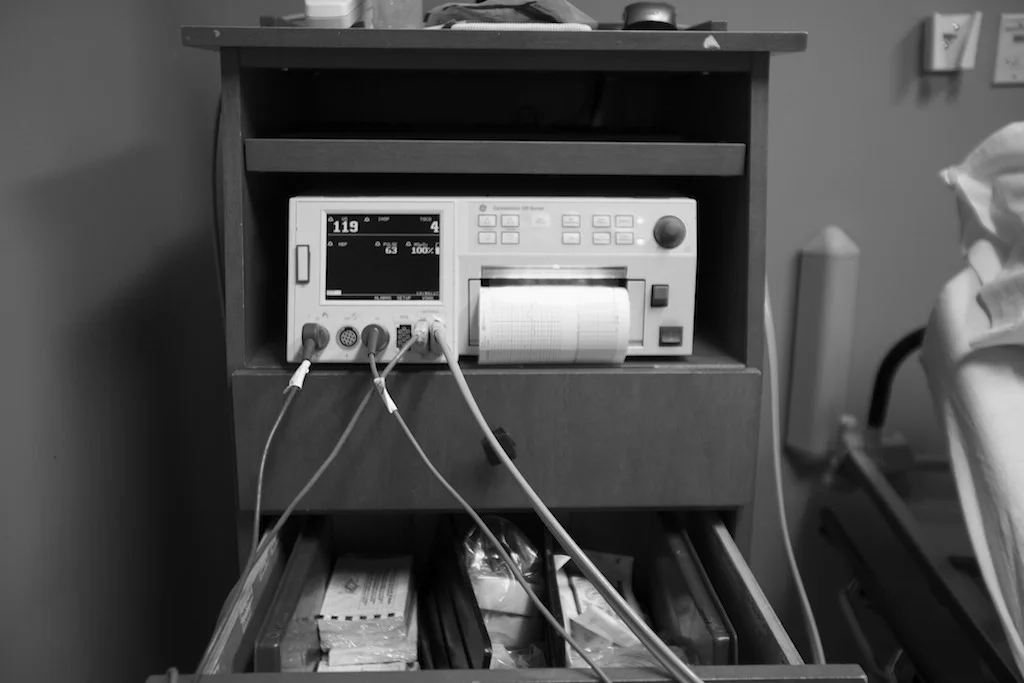
Epidural, Please!
I've had several women tell me, “Oh, I don't need a doula. I'm planning to get an epidural.”
An epidural can be an amazing thing! There's a reason why 60% of women who give birth in the U.S. choose to get one during labor. Many women feel like their birth experience is more positive after receiving an epidural, and I have seen laboring women that I'm working with become so much more relaxed, focused, and finally able to catch their breath and rest after opting for one. For many women, just knowing that an epidural is part of the plan, when labor becomes too painful and intense, relieves some of the anxiety associated with the unknowns of being in labor and having a baby.

I've had several women tell me, “Oh, I don't need a doula. I'm planning to get an epidural.” Or they think that a doula will only support women who want a natural birth. Before I became a doula and when I first started my training, I thought the same thing! I now know that having a doula is a great resource, no matter what kind of birth you are planning to have.
Your doula sees the bigger picture, and is there for you and your partner before, during, and after labor. As a continuous and trusted presence, your doula is there to help you understand the labor process, what your labor will look like and how it will change when you get an epidural. Your doula wants you to be informed and in control of your birth and can provide information and suggest questions you can ask your health care provider.
“Having a doula is a great resource, no matter what kind of birth you are planning to have.”
Even if you are planning to get an epidural, a doula can support you while you labor at home and when you first arrive to the hospital. The transition from laboring at home to getting set up in the hospital and receiving an epidural will take some time. Knowing different methods to cope with the labor pain and any anxiety you feel will help make the transition easier. An epidural is just one form of pain management. A doula will help with other relaxation techniques before you get the epidural and can show you epidural friendly positions as you labor. You won't be able to move around as freely, but you can still change positions while in the bed, which will help you as you labor.
Your doula has a peanut ball and knows how to use it!
The peanut ball is most commonly used when a laboring mother needs to stay in bed. Studies show that epidurals lengthen the amount of time women spend in labor. Lengthy labors and ineffective pushing increase your chances of needing a c-section. Your doula will help you use a peanut ball to promote dilation and descent, change positions while you're in bed, and stay relaxed, which can help shorten your labor and make it less likely that you will need a c-section! Getting an epidural won't necessarily take away your anxiety about giving birth. Having someone with you, however, who is familiar with the labor process and can be reassuring and help you feel more confident and relaxed.
Your doula will also be a great resource to your birth partner! Sometimes our birth partners are so focused on their loved one, they forget to take care of themselves! A doula is there to provide an extra pair of hands and remind both of you to rest and stay nourished. As Cynthya describes in one of her posts about the role of a doula,
"A doula can preserve the intimacy of the birthing room and be a consistent care provider for you and your partner. Doulas maintain the ambiance of a labor room, keep good energy flowing, and help limit distractions, which allows the couple to relax and know they are cared for. Your doula wants to make sure that you both enjoy the birth of your child and has only your interest in mind. After all, birth is her passion and you've hired her for this special event - use her to your full advantage."
Your doula is on your team and trusts that you are a strong and capable woman who can listen to your body and decide what kind of birth you want to have and wants to help you embrace whatever forms of pain management you decide to use. She will be there supporting you along the way.
Review your options for building your support team by reading the profiles of our team.


Why Having A Doula Makes Labor Better and Easier
PART 3 OF 3, THE HOLISTIC APPROACH TO CHILDBIRTH AND POSTPARTUM
PART 3 OF 3, THE HOLISTIC APPROACH TO CHILDBIRTH AND POSTPARTUM
by Stephanie Finn, Certified Pediatric Nurse Practitioner and Registered Nurse
The last half year has been a whirlwind, and I’m so thankful to be reflecting on such a wonderful birthing day. To top it off, our baby girl arrived on my birthday! It’s the sweetest thing. In this post I will be sharing a few glimpses into my birthing day. Not a full story- that would be a novel. Mostly, to give a little insight into why you may want to consider hiring a doula.
Looking back, I know that as a first time mom and pediatric nurse practitioner, I had several important values that I brought to the table during the planning process for our daughter’s birth day. I knew that the decisions my husband and I made leading up to childbirth and during the birthing process were very significant for my own health and for the health of our baby.
A natural birth was important to me, but I remained flexible as I knew even those with the best preparation are often thrown curve balls during the labor process. The best choice that my husband and I made during my pregnancy was to hire Cynthya Dzialo as our doula. We could sense that no matter what type of delivery would take course, natural, epidural, cesarean, etc., that Cynthya would offer the same loving support regardless! From day one she answered all of our questions, helped me create my water birth plan, and most importantly offered us endless encouragement for the vision we had of our birthing day, and the goals I had for my labor.
“With our doula present, my husband was able to enjoy the process, get a break when needed, and understand fully what was taking place medically.”
I was able to stay home for a good portion of my labor using comfort measures we had learned in our birthing class, and Cynthya was on standby the entire time. She knew exactly when to send us on our way to the hospital. Sometime soon after the sun had risen, we arrived to the labor and delivery unit, and I was able to be admitted instead of having to head back home.
I labored a full night before at home, and eventually became so exhausted and unable to tolerate the labor pains. Cynthya’s knowledge of comfort measures during this time was priceless. I was in the zone of focus and needed quiet and calm around me. There wasn’t much I could do except turn inward to draw strength, reminding myself that God equipped my body with the wisdom to get my baby out! I was not able to recall all of the tools I had available to me - hypnobabies, prayer, my music playlist, positioning, breathing techniques, medical options to consider, etc. This was the time that having our doula really paid off.
Each time I felt I could not move forward and through the contractions, she helped me to remain centered so that I could focus. While in the birthing tub, I was encouraged to go within and find the rituals that kept me in my place of calm and strength. Throughout the process, I was able to feel connected with my baby which was incredible, and still felt the emotion of anticipation and excitement for her debut. What an amazing test of my patience!
With our doula present, my husband was able to enjoy the process, get a break when needed, and understand fully what was taking place medically. This helped to alleviate any concerns or additional stress for him and he was right by my side helping with comfort measures. It was wonderful to have her there supporting him, so he could be more present with me and our baby. I was thankful and more at peace knowing he had someone present who was reliable and knowledgeable about medical options and the birthing process. The key here is that she was immediately accessible! This brought both of us a lot of confidence going into the situation.
“The feelings of overwhelming joy and amazement when my baby’s eyes met mine for the first time, are never to be forgotten.”
About an hour before our daughter was born, my body was completely exhausted from the marathon of pushing. I had an extended pushing phase, way longer than average, and I was ready for an epidural. In fact, I was convinced I could not move forward without it. The pain was unbearable at the time because of the sheer exhaustion. At one point, one of the nursing techs was helping with positioning. I could barely ask again, “how much longer?” The look of pity and compassion toward me is something I still remember. Later in recovery, she kindly shared with me how she too had been there and commented on how great I did. When I thought all my energy was spent, Cynthya reassured us and I trusted she knew that I was progressing safely. I ended up getting fluids in preparation for an epidural, so I thought.
What I didn’t know at the time, was that this extreme exhaustion sent the signal to my brain that there was no other option but to rest. I didn’t need an epidural, and it would have been ok if I did, but the fluids helped with my energy. I had already worked through the most difficult part. It was time let go.
“We made the best decisions we could - informed decisions - every step of the way.”
That’s when I shut everything out. I heard everyone around me become so excited as the baby was crowning. I could feel the energy and excitement within myself start to cast the exhaustion and pain to the curb. I was soon to be holding my baby! My body did the work for me as I succumbed to what it knew how to do. If I ever understood the phrase “Let go and let God”, that time was one of them. I will never forget the look on my husband’s face, the joy in his voice, his encouragement, the smile of everyone around me as our little girl entered the world. The feelings of overwhelming joy and amazement when my baby’s eyes met mine for the first time, are never to be forgotten. It was like we had known each other much longer than all of the months in my womb. Looking back, I truly understand what my mother meant the times she expressed to me I would fall in love with my baby and love being a mother.
In the end, I was able to have the natural, unmedicated childbirth I desired for our baby, and I know that without our doula, this would not have been the case. She kept both of us encouraged for nearly 25 hours, and safely paced our decision making processes. We made the best decisions we could - informed decisions - every step of the way. She also supported the desire we had for privacy throughout the process and gave us alone time as needed. All of these measures helped me to face my fears during childbirth in a positive way and remain confident in the ability of my body to birth our daughter. And so importantly - all of this supported the health of our baby! If anyone has any doubts about hiring a doula for your upcoming birthing day, may I encourage you to move forward with saying yes!
Related articles:
5 Easy Steps to Stop Your Baby's Crying
Embracing The Roller Coaster Of Motherhood
5 Reasons Your Labor Nurse Cannot Be Your Doula
How Taking a Childbirth Class May Help Prevent Birth Trauma
You go to one baby shower and inevitably, you start to hear the worst of the worst birth stories. “Did you hear about Kim’s birth? She pushed for FOUR hours and the baby was 11 pounds. Imagine. that. tear.” Everyone squirms.
by Megan Ciampa, Birth Boot Camp Childbirth Instructor
You go to one baby shower and inevitably, you start to hear the worst of the worst birth stories. “Did you hear about Kim’s birth? She pushed for FOUR hours and the baby was 11 pounds. Imagine. that. tear.” Everyone squirms.

“Andrea had to have an emergency c-section. She was induced and the baby’s heartbeat decelerated and they needed to deliver the baby immediately. Andrea’s blood pressure dropped and it was really scary. They said she almost died.”
Or, still, even worse:
“She asked for no episiotomy but the doctor insisted and cut her right before the baby was born. She had a 4th degree tear. Healing from that was the worst. She’s afraid to have another.”
While some of these stories may sound like just another unfortunate birth story, some of them are legitimate birth trauma. There is a term, called “obstetric violence,” that, on its surface, seems implausible. Obstetricians are all about bringing new life into this world; how could one be violent?
But when abuses bring with them “loss of autonomy and the ability to decide freely about their bodies and sexuality,” there is a price women pay at the hands of their care providers [Law on the Right of Women to a Life Free of Violence, supra note 13, art. 15(13)].
We know this does not characterize all or most OBs. But in the United States, in 2018, there are still too many women who experience birth trauma and feel more like a vessel of a person delivering a baby, and not like a human themselves.
“When you do not expect to have a problem with birth and then it happens, there can be long lasting psychological scars.”
Experiences such as these can have unfortunate consequences. Of course there’s the physical pain and recovery one must heal from. There’s also psychological and emotional recovery one hopes to experience as well.
In an article for The Atlantic, Ilana Strauss recounted stories of women who experienced post-traumatic stress disorder (PTSD) after giving birth. Not to be confused with postpartum depression, postpartum PTSD can be characterized by “hyper-vigilance, intrusive memories, flashbacks, severe emotional distress, irritability, trouble sleeping, and nightmares,” as is explained by Anastasia Pollock, a therapist who specializes in treating trauma.
Strauss also explained that the theory behind women who develop postpartum PTSD is complicated, but it often has to do with expectations. When you do not expect to have a problem with birth and then it happens, there can be long lasting psychological scars.
So… what does one do? How do you appropriately create your expectations?
Aside from talking to a wide range of women who have given birth before you and hearing their experiences, another very practical thing you can do is actually quite simple: take a childbirth class!
Not all childbirth classes are created equally, so do your research on with whom you study. What all is covered? Policies and procedures of the hospital? What meds you’ll be given? It’s important to discuss who your care provider is, and what his/her track record is for vaginal vs. cesarean deliveries. It’s also important to know your hospital or birth center’s policies and statistics. Even Consumer Reports is reporting on this. Read CR's article here.
To see Florida's c-section rates from 2016 and 2015, take a look at this spreadsheet from Florida Health Finder (source linked below). Check your state’s c-section rate here.
What else would you cover in a childbirth class?
In our Birth Boot Camp series, Training for an Amazing Hospital Birth, we discuss EFM or electronic fetal monitoring, the use of IVs, frequent vaginal exams and your care provider and/or hospital’s VBAC (vaginal birth after caesarean) policies.
We look back on the history of birth in this country and how it continues to impact the birth experience today. We discuss the physical and emotional happenings of labor and arm both mom and her partner to navigate it successfully. We share the stages of labor, including pushing and what positions are helpful and how the birth partner can help.
We educate on ways to avoid a cesarean, and how to feel at peace with one if needed. And perhaps most importantly, we arm you with the tools and knowledge you need to ask informed questions as you plan your birth and postpartum.
Taking a birth class does more than just show you how a baby is born. It shows you how amazing your body is, and how it’s your body, and how you can have a say over what happens to it. It encourages you to find and work with care providers who honor you and that process and respect your baby and you.
Sources:
https://scholarship.law.duke.edu/cgi/viewcontent.cgi?referer=&httpsredir=1&article=3924&context=dlj
http://www.floridahealthfinder.gov/researchers/QuickStat/cesarean-buffer.aspx
Related articles:
Positivity, Positions and Personal Support
5 Labor Tools for Partners
Postpartum Expectations and Must-have Items
Maternity Care in America: Midwifery Model of Care
Although not everyone needs the skills of a surgeon at their births; every woman can benefit from the presence of a midwife. Read more thoughts by Nuria Nelkin, certified nurse-midwife at North Fulton Regional Hospital in Roswell, GA.
How does society view pregnancy and birth? How do YOU view pregnancy? How do YOU view birth? Is it automatically an illness/problem? Are pregnant women ill, weak? Is it a natural state of the body? Can things go wrong? When are interventions appropriate?

The belief and attitude towards pregnancy and birth as a normal part of life versus an illness waiting to happen is the basis between the medical versus midwifery models of obstetric care. The short answer is, NO. Most pregnancies are not a medical problem. Because there is always a possibility of complication during the amazing transformation of a woman growing a person, it is sensible to monitor pregnancies closely to be able to recognize potential or actual problems, and refer to appropriate providers (that can manage a higher risk/problem) as needed.
“Although not everyone needs the skills of a surgeon at their births; every woman can benefit from the presence of a midwife.”
Approximately 90% of births in the U.S. are attended by physicians (National Vital Statistics Reports, 2014). All women do not need a surgeon to directly manage their pregnancy, labor, and birth. Physicians/surgeons are taught how to analyze situations by identifying a medical problem and solving it. Labor and birth don’t always need that type of analysis or intervention. The midwifery model approaches pregnancy and birth as a normal process until proven otherwise.
Midwives are taught to educate women about the process of labor, birth, and motherhood and help a woman manage labor and birth, while also having the skills to identify complications. They are taught to handle small complications and identify which ones they need to send on to a physician. Sometimes that means using their amazing, life-saving surgical skills; sometimes it does not. Although not everyone needs the skills of a surgeon at their births; every woman can benefit from the presence of a midwife.
Midwives and obstetricians working as a team is the perfect answer. Having hands-on care treating pregnancy as normal unless it presents otherwise, and involving the obstetrician/physician in the care if concern arises, gives women high-touch, low-intervention care unless otherwise necessary.
About the author Nuria Nelkin, CNM:
After working as a nurse for several years and experiencing the pregnancy and birth of her second child, she knew that to pursue a career in midwifery was her calling and dream, and completed her MSN in Nurse-Midwifery at Frontier Nursing University. Nuria is also a wife and mother of two young, active boys. She enjoys spending time with her family and friends, reading, and exercising.
References:
Liljestrand, Jerker. Midwives are Essential to Global Health. Time Magazine. May 5, 2016.
National Vital Statistics Reports, Volume, 64, Number 12. Births: Final Data for 2014. December 23, 2015. Obstetric Care Consensus. Levels of Maternity Care. Number 2. February 2015.
Related articles:
5 Labor Tools for Partners
The Most Common Complications of Childbirth
AROM: To Break or Not To Break
Labor Comfort Measures
5 Reasons Your Labor Nurse Cannot Be Your Doula
The hospital is a great place to have a baby! It is not a great place to labor. Hospital policies often place restrictions on movement, eating, drinking and general comfort. In labor, feeling secure and comfortable is the key to a successful birth, in most cases. A doula can help you feel safe and supported.
Labor can be very painful and it is often difficult for loved ones offering labor support to know just how much “pain” is normal and what can be done to make the process easier. So that brings us to the labor nurse trained and ready to support, right?

Labor nurses are supportive, trained medical professionals - valued members of the birth team. Doulas provide trained physical and emotional support and are invaluable members of the birth team.
1. Nurses are Medical Professionals
Labor and delivery nurses are not a one-size-fits-all medical professional. Some nurses have taken it upon themselves to learn about labor support and how to best support a woman and her family in labor. Other nurses focus primarily on the medical aspects of birth and how best to facilitate a medically safe birth outcome.
Regardless of their philosophy regarding birth, they are responsible to ensure you have a medically safe birth. They are responsible to keep up with Medical Doctor and Certified Nurse Midwife orders, fetal monitoring, IV medications, medical charting and the overall wellbeing of mom and baby.
A nurse can safely manage up to two women in labor. So despite her best efforts and intention, this makes individual labor support quite a challenge.
2. Shift work
The typical nurse works an 8 or 12 hour shift and the typical labor lasts on average 8-10 hours. When a nurse is done with her shift, it's time for the next nurse to begin hers despite the recommendation of continuous labor support producing the most favorable outcome for a woman in labor. 12 hour shifts are simply not conducive to the RN providing this level of care.
“The hospital is a great place to have a baby! It is not a great place to labor.”
3. The Relationship
All nurses are not the same and it is ok to not get along with ALL labor nurses. However, when you come into a hospital there is no interview process before your nurse is assigned to you. The opportunity to establish a connection, a relationship with a person that will share one of the most intimate moments in your life does not exist. The doula relationship is established weeks before arriving at the hospital - this connection is made by you and your family.
4. The Training
Doulas are trained to exclusively provide emotional and physical support. This support comes in early labor by answering questions or making suggestions for ways your partner can support you. As the labor progresses, the doula's job is to focus on YOU and your support team providing suggestions to facilitate a warm nurturing space to welcome your baby to this world.
Labor nurses, even the best dual trained (medical and labor support training) nurses, are split between providing physical emotional support and ensuring medical safety. This is often a challenging situation. Unfortunately, it is often the laboring mom that feels the lack of support in this situation.
A doula is a member of the birth team and her/his role is very important.
5. Stay Home
The hospital is a great place to have a baby! It is not a great place to labor. Hospital policies often place restrictions on movement, eating, drinking and general comfort.
In labor, feeling secure and comfortable is the key to a successful birth, in most cases.
A doula can and will come to your home and provide in-home labor support for you and your support team until you get to the active stage and are ready to go into the hospital for delivery. She will make sure you stay hydrated, rested, reassured and reliant on your inner strength right in the comfort of your own home.
Birth is an intimate space, a special time when it is so important for women to feel safe, nurtured and secure. Without the proper support, the birth space can become an emotionally hostile environment and the body will shut down in order to protect your unborn baby.
Related posts:
Make Labor Productive
Consider Hiring a Labor Doula
When Childbirth Moved Into Hospitals
Epidural, Please!
Try These Simple Moves to Prevent Pain in Pregnancy and Create Space for Baby to Move
Understanding the psoas muscle gives us the foundational knowledge we need to change the way we move. It’s important to activate our psoas so we can loosen our hips to help relieve pain, especially in pregnancy.
Understanding the psoas muscle gives us the foundational knowledge we need to change the way we move. It’s important to activate our psoas so we can:
Locate the muscle in our body;
Loosen our hips to help relieve pain (especially in pregnancy);
Strengthen and stretch it properly to keep our lower back and body stabilized in all movements during pregnancy;
Open our pelvis to help create more space for baby to move around and get in the right position for birth to have a more comfortable and shorter labor.
1. Try this psoas activation test:
2. Perform these stretches to continue activating the psoas and then loosening tight hips:
When we deliberaltely engage our psoas muscle, we are giving our bodies the chance to correct unhealthy movement patterns. When we move in an unhealthy way, our bodies tend to compensate by pulling on other muscles or ligaments to adapt to the movements we are trying to accomplish (i.e. walking, sitting, bending over, getting up), thus creating pain because it is unnatural. Instead, when we choose to activate our psoas, our bodies will start to move naturally again and eliminate pain. Even better, if we engage with our psoas before we start compensating, we can prevent compensations and pain.
It starts with a single step.
Related Articles:
How To Avoid a C-section Without Changing Hospitals
What Every Female Runner Should Know Postpartum
Skin Elasticity During Pregnancy And Beyond
3 Tips to Strengthen This Commonly Neglected Muscle That Weakens Your Chance of Having a Vaginal Birth
The psoas is often an unheard of or overlooked muscle in pregnancy and birth. Using these three tips can help get you on the right track to prevent pain and build a stronger core for your healthy and happy vaginal birth.
The Psoas (so-as) muscle is one of the most functional and crucial muscles our body has when it comes to movement in everyday life, and especially during pregnancy and postpartum. It is the deepest foundational core muscle to our bodies. The Psoas is attached to and down your vertebrae, then through your pelvis and end at the top of your femur bone.
With the Psoas, we are able to bend at our hips in flexion, but it also keeps our trunk and spine stable during any other type of movement. Most importantly in relation to birth, the psoas helps to keep our pelvis open and free to move in the way our body needs, it stabilizes. If your psoas is tight or short, it could tilt your pelvis forward, if your psoas is stretched too far or weak, your pelvis could be tilted backwards, causing low back and leg pain. In either situation, it can become a snowball effect in pregnancy, and could possibly lead to a C-section if a doctor does not feel your pelvis is in the right place to get the baby through the birth canal.
3 Tips to Strengthen Your Psoas Muscle
1. Try not to sit for extended periods of time. Get up and move every 30 minutes or so, as you walk maybe throw in a couple lunges;
2. Perform Pelvic Tilt exercises as seen in the below video:
3. Do this Lying Psoas March to strengthen your core and hip flexor:
The psoas is often an unheard of or overlooked muscle in pregnancy and birth. Using these three tips can help get you on the right track to prevent pain and build a stronger core for your healthy and happy vaginal birth.

Life with a Newborn: What to Expect the First Few Weeks with Your Baby
Here are a few things to expect when bringing home a newborn infant, and some tips on when you may need to call your pediatrician.
by Stephanie Finn, MS, RN, CPNP

You're feeling both completely amazed and completely exhausted. You've just been handed your little bundle of joy and you are headed home with your beautiful newborn. You are ecstatic, in love, lovesick, unsure of how to feel, and maybe sore. It all happened in a flash. All is well, and you've made it through; ready to rest, recover, and snuggle with this amazing creation in your arms. As you begin this nesting journey, you may have some anxiety about what to expect at home. This is a normal experience for many new parents. Here are a few things to expect, and some tips on when you may need to call your pediatrician.
1. Sleep
Baby will sleep. Baby will sleep a lot. You, the exuberant parent, may not. You can expect your newborn to sleep at least 16 hours a day, waking every 1-2 hours to eat if you are breastfeeding, and closer to 2-3 hours if you are formula feeding your baby.
2. Feeding
Most babies nurse for 10 to 15 minutes at each breast during their feeds. If you are feeding them from a bottle, you will notice they start to become full after eating 2-3 ounces. Get ready for what will feel like a 5-minute nap and then you will restart this feeding process. Don't worry – you will get more sleep down the road! It is 100 percent worth it, as you know. Your baby will also have at least six wet diapers, and then around day four, you will start to see 4-5 poopy diapers or more each day. Aren't you so glad you asked for diapers at your baby shower?!
3. Weight
Newborns will lose some weight the first week of life and start regaining it again after that. Keep going to your well checks and have your pediatrician monitor this to ensure baby stays on track. If your baby is not gaining weight, but is feeding regularly, please take your baby in to see your pediatrician immediately to rule out any serious abnormalities.
4. Noises
Another thing you will notice with your little bundle of joy, new noises! You will hear lots of noises coming from your baby and feel like you are checking on them every second to be sure they are ok. This too, friends, is a normal part of the new parent experience. Grunting, hiccupping, sneezing, crying, squeaking...these are very common. Of course, call your pediatrician if you have concerns over any of these noises and they will be happy to speak with you or see your baby in person if needed before your next checkup. Know that your baby will cry if they want to be held, if they are hungry, or if they need a diaper change. They may cry if they need to be burped or if they are tired and want to be rocked. Over time, you will learn exactly what they are asking for, or you may even go through a list in your head or one written on your refrigerator to remind you of things to check. That is ok! You have the built-in wisdom to do this, so be patient with yourself.
When to call your pediatrician
If you ever suspect any illness, cannot soothe your baby, if your baby has a fever or if you have other concerns, it is important to immediately call your pediatrician for guidance. You are equipped and can reach out for support when needed. Parents, we are all in this together!
Stephanie Finn, works at CentreSpring MD providing an holistic approach to child and family wellness as a Pediatric Nurse Practitioner. She guides parents to understand the basics of caring for newborns, from bonding, sleep and feeding schedules, to when to visit a physician and understands what works for one child and family may not work for another. Stephanie provides parent education with our private, in-home Parent Essentials lesson.


Individualized Instruction For Your Labor: Preparing Your Partner For Birth
With this "intensive" ONE DAY childbirth class, you'll learn how to get evidence-based care to optimize your birth outcome. Gain the tools needed to receive evidence-based medical care, learn alternatives to routine childbirth procedures, and reduce your risk of a c-section.

Supported by research studies that examine the benefits and risks of maternity care practices, six healthy birth practices are the foundation of Lamaze childbirth classes taught around the world. These practices are designed to simplify the birth process in order to alleviate fear and manage discomfort in labor. No matter what type of labor, the length of your labor, or your confidence level, these practices are key to keeping you and your baby as safe and healthy as possible.
You may keep reading to learn how each of these six healthy birth practices can help you optimize your birth outcome or sign up now to take an Intensive Study, a childbirth class taught by The Happiest Doulas in the privacy of your own home. You'll learn tested strategies for labor comfort and progress, gain insider tips from their time working alongside your OB or midwife, and help prepare you for your transition to parenthood. Don't miss out!
Intensive Preparation For Childbirth by The Happiest Doulas
This class provides personalized training for an optimal birth experience in a hospital setting. Topics include discussion of the 6 Healthy Birth Practices, WHAT TO EXPECT in labor, common newborn procedures at the hospital, LABOR COMFORT MEASURES and postpartum expectations and must-have items.
With this 3 hour labor lesson, you'll learn how to get evidence-based care to optimize your birth outcome. Gain the tools needed to receive evidence-based medical care, learn alternatives to routine childbirth procedures, and reduce your risk of a c-section. You'll receive:
Relevant and current evidence-based birth information
Tested strategies applicable to childbirth at all medical facilities
Insider tips to help you advocate for yourself and access ALL available childbirth options
In-depth review of the 6 Healthy Birth Practices
Access to the ONLINE Learning Center so you can review additional materials; videos, birth evidence, sample birth plans, and many instructor tips for labor and postpartum healing.
This private, online lesson will equip you to partner with your care providers and push for the safest birth outcome. In a nutshell, we teach science-based methods with complementary mind-body, self-care techniques to complete our holistic approach of labor, birth, and newborn care. Schedule a remote lesson now to be held at your convenience.

Credit Lamaze International

Atlanta Birth Center
The dream is now reality. Atlanta's first birthing center is open and accepting patients.
The dream is now reality. Atlanta's first birthing center is open and accepting patients.
A hospital’s model of care is based solely on a medicalized process that presents a higher risk of low birth weight, infant mortality, use of interventions and more. In contrast, the Atlanta Birth Center provides a holistic program with comprehensive midwifery care, a nurturing environment where you will feel supported, respected, safe and secure and personalized, family-centered care from highly qualified holistic health care providers.
The Atlanta Birth Center is an integrated part of the health care system, providing comprehensive maternity and women’s health services including laboratory, ultrasounds, and other diagnostic testing. The midwives accept low risk healthy pregnancies, along with pregnancies that have risk factors and are being closely monitored. Circumstances that are contraindications for a birth at the Center include vaginal birth after a cesarean, multiples (twins, etc.), placenta previa, issues with managing blood pressure, and breech presentations. Pregnancies that occur after 36 years of age (if a first birth), or before 16 years of age.
The certified nurse midwives are Anjli Hinman, Crystal Bailey and Erin Graham. The medical director is Al Overstreet at Atlanta Medical Center, which is where non-emergent patient transfers will be sent. The Center is right behind Emory University Midtown Hospital, where all emergent transfers will be sent.
Discover more about giving birth at Atlanta Birth Center and the holistic care available for you and your baby. You may attend an upcoming Monthly Meet The Midwives to hear all about their services and offerings such as use of nitrous oxide during labor, water birth and hydrotherapy, and in-home postpartum care.
Atlanta Birth Center is a Georgia Nonprofit Corporation which has been granted tax-exempt status as a IRS Section 501(c)(3) public charity. Your contribution will enable their organization to further their purpose of developing an accredited birth and wellness facility in Atlanta, providing family-centered and evidence-based care, accessible to all. Make a tax-deductible contribution to the Atlanta Birth Center on their website here or contact info@atlantabirthcenter.org.
Related posts:
3 Ways to Easily Improve Your Posture During Pregnancy
Labor Tips For Birth Partners
Maternity Care in America
Atlanta Hospital C-Section Rates


Pumping and Breastfeeding Tips For Going Back To Work
PART 2 of 2: After maternity leave is over, your first day back to work might be filled with lots of emotions. To ease back into the workplace, I suggest you make your first day back in the middle of the week to make transition a little less chaotic. For more tips to help encourage breastfeeding success after returning to work, please read on.
Part 2 (read part 1: Tips To Help Make Breastfeeding Easier)
Part 2 (read part 1: Tips To Help Make Breastfeeding Easier)
After maternity leave is over, your first day back to work might be filled with lots of emotions. To ease back into the workplace, I suggest you make your first day back in the middle of the week to make the transition a little less chaotic.
I've listed below the things that have helped me continue breastfeeding and pumping after I returned to work, and while traveling. You'll need to guard your pump time! Block it out on your calendar and set appointment reminders on your phone. For all day meetings and events, remind people in advance that you will need to take breaks for pumping.
Know that your baby may have a transition period where they are refusing to drink from a bottle at daycare. This usually passes within two weeks. You might notice they start to cluster feed at night to make up for it. Expect your baby to want to be attached to you when you get home. It’s their way of saying they missed you.
To encourage breastfeeding success:
Buy a door stopper and place it behind the door when you pump. For some reason people don’t stop and knock when a door is locked even when there is a sign that says that the room is in use. It will also allow you to use spaces that don’t have a lock with confidence that no one will walk in on you.
Have lots of pictures and videos of your baby to look at while pumping. Ones of them crying are great to encourage a letdown.
Pump for every missed for 30 minutes per session, or for 2-5 minutes after the last drops of milk.
Remember that what you pump is NOT an indication of what baby gets when they are at the breast. Breasts are made for babies, NOT for cold plastic pumps.
You don’t have to wash out your parts after every use. Store these in a gallon size Ziploc bag and put them in the refrigerator.
Change out your membranes every couple of months or when you notice a decrease in supply.
Keep a spare outfit for yourself in your office or car for the days you are leaky.
Items to store in your pump bag:
extra membranes
wash cloth to dry yourself off
milk storage containers
freezer packs
gallon size ziploc bags
nipple cream/coconut oil
pump, pump power cord
flanges and tubing
breast pads
clean bottles
phone charger so you can look at pictures of your baby
snacks and water


For the traveling, breastfeeding parent:
Print the TSA guidelines for transporting breastmilk and keep them in your carry-on bag to show anyone who may need a reminder.
Breastmilk does not need to follow the normal 3.4 oz. guideline.
Your breastmilk does not need to go through the X-ray machine if you don’t want it to. Make sure to allow extra time for the required screenings, as well as a personal pat down by security.
Ice packs, freezer packs, frozen gel packs and other accessories required to cool formula, breast milk are allowed in your carry-on.
Some airports have pumping and breastfeeding pods called Mamava. Use their app to locate a pod closest to you. Mamava pods are pretty nice and are a great place if you don’t want to feed or pump in public.
“If pumping makes you unhappy, switching to other milk supplies, such as donor milk or formula, might be the healthiest choice for you, emotionally.”
If you don’t have enough time to pump because of the type of job you have, remember you don't have to feed all breastmilk, donor milk or formula. Consider using donor milk or formula for daytime bottle feedings and breastfeed your baby in the morning and night. Your body will adjust to your new schedule. If you decide to change your breastfeeding or pumping schedule, do so slowly. Weaning needs to be a gentle process for your body and your baby to adjust.
Keep in mind that if you find breastfeeding and pumping after your return to work is decreasing your quality of life, weigh the pros and cons. If pumping makes you unhappy, switching to other milk supplies, such as donor milk or formula, might be the healthiest choice for you, emotionally. Yes, breastmilk from you offers the most nutrition for your baby, but having a happy, well-balanced parent is important too.
Find your village at work that's made of people who understand you! It’s also great to have a “phone a friend” when you realize you left behind an essential piece of your pump at home. Meet new friends and gain support at your local La Leche League. Look at the directory to find a meeting close to you.
Being a working parent is all about finding the right rhythm for you. You will live your life on a very tight schedule, but just remember, it’s only a season of your life. The days are long, but the years are short, my friend.
For more info on how to safely store breastmilk and maximize your milk expression, see if this affiliate online course and other resources (some are free!) by Lactation Link are right for you.
Related articles:
How to Comfortably NOT Breastfeed
Postpartum Expectations and Must-have Items
7 Key Ingredients to a Good Night’s Sleep for Your Newborn
Make Breastfeeding Easier When Going Back To Work

Is Waterbirth Safe? What are the benefits and risks for mothers and babies?
Our team has seen the beneficial effect of hydrotherapy use for labor and when clients give birth in the tub. The warmth of the water, the added buoyancy, with the addition of pouring water down the back or tummy, always adds a measure of comfort throughout labor and birth.

How To Have An Easy and Relaxed Labor
As labor doulas, we have seen the beneficial effect of hydrotherapy use during labor and while giving birth in a tub. We often suggest to clients that they take a long, warm bath in early labor to slow down contractions and relax the uterus enough so that sleep becomes possible. Once a strong pattern of contractions has been established, typically, a bath will not slow labor but allow for complete relaxation of the muscles between contractions.
The warmth and buoyancy of the water provides a measure of comfort throughout labor and birth. Slowly pouring water down the back or tummy is also helpful. Hydrotherapy and underwater birth is safe and reduces the need for pain medications while lowering your risk of a c-section due to the ability to move into and maintain open-pelvic positions for easier rotation and descent of the baby.
“A 2012 Cochrane review found no harm to the baby in 12 randomized controlled trials of water labor or birth involving 3,243 women, and less use of epidural anesthesia.”
The evidence shows that babies born in the water have similar health outcomes compared to babies born on land. The bottom line is that waterbirth is a reasonable option for low-risk birthing people.
An excerpt by Dr. Rebecca Dekker of Evidence Based Birth from her article titled Water Immersion During Labor for Pain Relief:
"The bottom line is that researchers have found that water immersion during labor poses no extra risks to the baby. They’ve overwhelmingly found that it lowers the need for pain medications and it makes people feel more satisfied with their pain relief. Hydrotherapy’s effectiveness on pain appears to be less effective than an epidural or spinal, but more effective than using IV opioid drugs. The good thing about water immersion during labor is that there doesn’t seem to be any side effects. Also, evidence shows that water immersion during labor increases people’s satisfaction with their childbirth and their sense of privacy and comfort. Mothers who labor and give birth in water tend to remember their experiences as being more positive and less painful." Read full article here.
We encourage you to explore for yourself all that underwater birth can offer you. Seek out medical facilities and care providers offering inflatable tubs or birth pools for labor and delivery (not just water "labor" or immersion). For further reading on water birth, checkout NPR's Shots article from March 2014.

Evidence on Natural Labor Induction Methods
Exploring the existing studies on natural labor induction reveals some interesting discoveries. Though we often consider things that are natural to be safer than their medical counterparts, it's notable that some some plant-based methods that are suggested by traditional wisdom can actually lead to serious labor and birth complications.
The final weeks of pregnancy are filled a range of emotions, but if a mother goes beyond her due date then anxiety can often set in. Even if she feels that baby is best where he is, still, for many moms there is a desire to avoid the complications that can sometimes occur during medical inductions.

A lot of misinformation is circulated about natural labor induction methods, and knowing what works, what doesn't, and what's just plain unsafe can save parents' health, time, and grief. We The Parents compiled the infographic below featuring the nine most commonly discussed methods of natural labor induction, a rating on their safety and effectiveness, and the research that backs up those claims. Please feel free to share the infographic and help spread evidence-based info on natural labor induction methods.
We know that records of the use of natural methods to induce labor date back as far as ancient Egypt. The list of methods and treatments suggested by various cultures is diverse, and the nature, effectiveness, and safety of the methods can vary significantly. Natural labor induction methods are not a commonly addressed topic in medical literature, although studies do exist on the efficacy and safety of some common strategies.
Exploring the existing studies on natural labor induction reveals some interesting discoveries. Though we often consider things that are natural to be safer than their medical counterparts, it's notable that some plant-based methods that are suggested by traditional wisdom can actually lead to serious labor and birth complications. That doesn't mean every natural method of inducing labor is dangerous, however - quite a few are relatively benign, and some have actually demonstrated the potential to be effective without causing fetal or maternal harm.
Before you consider inducing labor on your own, it's essential that you talk to your physician. They will be able to decide if it's safe for you to try inducing labor naturally, and they'll also be able to give you a thumbs up or thumbs down on your method of choice. Attempting to induce labor without a go-ahead from your doctor can be dangerous to you and your child, so please seek a recommendation before you proceed.
Natural Induction Methods: An Unbiased Look at the Evidence is by Neve Spicer, the creator, and editor of WeTheParents, the evidence-based pregnancy and parenting guide for mindful moms.
Related posts:
6 Points to Consider When Hiring a Labor Doula
5 Reasons Your Labor Nurse Cannot Be Your Doula
AROM: To Break or Not To Break
How To Be The Perfect Mom
I was the perfect mom, when I was pregnant. I was going to do everything right! I had many ideas of the kind of mom I was going to be. What I found was that more often than not, the ideals that I envisioned didn't match the reality of my life.
by Christina Thomson, Certified Birth Doula and Lamaze Childbirth Educator
I was the perfect mom, when I was pregnant. I was going to do everything right! I had many ideas of the kind of mom I was going to be. What I found was that more often than not, the ideals that I envisioned didn't match the reality of my life. From some of my other blog posts, you know that colic and Postpartum Depression can throw wrenches into the best laid plans. When your ideals collide with the messy reality of motherhood, the results can leave you feeling anxious, depressed, and guilty. In her article, Guilt, Motherhood, and the Pursuit of Perfection, Karen Kleiman, says, “Guilt is so pervasive that many mothers, particularly those who are depressed, presume it is a natural part of mothering, one that is inescapable in this day and age.” I fell into those feelings of guilt, but am finding my way out.

Before he was born, I decided that all of my son's baby food was going to be organic and homemade. My little foodie would love creamed kale and braised fish. I was going to baby wear all the time, especially while preparing all of this healthy food. Then, to relax, I would do yoga, with my baby strapped to me. I had read that baby wearing would put the child in a quiet, alert state in which he would contentedly enjoy the world around him, while dozing on and off. I hadn't yet learned that babies come into the world with their own personalities and temperaments. Or that sometimes those temperaments are called colic. He hated being in the baby carrier. He would scream and beat his head against my chest. One sleep deprived afternoon, after another unsuccessful attempt at baby wearing, I tore the thing off, threw it on the floor and stomped on it. We both sat and cried together.
“Before he was born, I decided that all of my son’s baby food was going to be organic and homemade.”
Last night for dinner, I fed my two year old chips and cheese dip. I bribed him with chocolate in between bites just so he would eat that. In that moment, it was like I was floating above the dining room table and looking down on myself. Looking down on my tired, frustrated self who was trying to poke food into my toddler's mouth. Any kind of food. Afterward, I turned on a cartoon for him so I could clean up and have a few minutes to myself. It was a far cry from the perfect mom I thought I would be.
During pregnancy, I was insistent that he would never watch tv. That lasted until one day when I was too sick to care. As I laid on the couch with hot tea and tissues, I turned on the classic movie, Annie. He was mesmerized. His eyes seemed to say, Why have you been hiding this colorful, singing world from me? Sure, I was probably ruining him, but oh, it was so nice to just lie there for a little while.
Before I got pregnant, I worked in a Waldorf inspired preschool. All of the toys were natural and nature based. The idea being that with simple, open ended toys, children were free to come up with their own games and ideas. Feeling the realness and solidness of wooden toys was, energetically, more pleasing than plastic toys. I loved this philosophy and shared these ideas with my family. When I went over to my in-laws one day, my mother in law was so excited to show me some baby toys she had gotten. These plastic monstrosities filled the living room. I tried to hide the ugly look on my face. “Oh wow,” I said. “I'm trying to be a little bit more deliberate in the toys he has. A little more quiet and natural. I think these will be great for when he comes to visit over here.” My mother in law smiled and said, “Well, I have some blankets up in the attic too. Is he allowed to have blankets? Maybe he can just cover up with leaves, after he plays with his sticks.” Hmm, she finally got it!
“I’ve allowed myself to let go of how I think it should be.”
Since then, I have relaxed my expectations, and also allowed myself to let go of how I think it should be. My dad called the other day to tell me he found the perfect Christmas gift for my son. “It's like a rocking horse,” he said, “but looks like a John Deere tractor!” “Oh,” I said. “Oh.” I look around our small play room and stop myself from saying that it must be pretty big, and green. He sounded so excited and proud of himself for finding the perfect gift. I said,“Oh, I'm sure he'll love it, Dad,” as I thought about how to make room for a big, green tractor in the middle of our house. The thing is, my son probably will love it. It's not necessarily what I would include in my little world, but that doesn't make it wrong.
There's an old saying that goes, “Life is what happens to you while you're busy making other plans.” It's okay to make plans, read books and articles, think about what's important to you and your family. Just remember that part of being a parent is learning to go with the flow and accept that things might not be how you pictured them. As Allison Cooper said in her blog post, A Letter To Myself, Before Becoming a Mom, “seek balance, not perfection. You are much too hard on yourself.” How do you become the perfect mom? Relax. Let go of the idea that you will be the perfect mom. You won't be, but you will be the best mom that you can be.
Related articles:
6 Ways to Survive a Colicky Baby
Embracing The Roller Coaster Of Motherhood
Nutrition Tips For Thriving During Postpartum
7 Key Ingredients To A Good Night’s Sleep For Your Newborn
“Now What?" Your First Few Weeks with Baby
Holistic Care For Your Child After Using A Doula
PART 2 OF 3, THE HOLISTIC APPROACH TO CHILDBIRTH AND POSTPARTUM
PART 2 OF 3, THE HOLISTIC APPROACH TO CHILDBIRTH AND POSTPARTUM
by Stephanie Finn, Certified Pediatric Nurse Practitioner and Registered Nurse

As an advocate for children’s health and wellness, I can’t stress enough the importance of establishing newborn and pediatric care that has a “whole-child” focus. The relationship-centered model can be seen in practice long before pediatric check-ups. When a mother chooses her doula, she sets the stage for holistic care in the days after birth. Just as doulas provide on-going support that address the mother’s pregnancy and labor needs on a physical, emotional and psychological level, holistic care should continue when the child enters the world.
When we look at the whole child, we must keep in mind that children function within the context of their family network and environments. They live in contexts that are unique to themselves, have varying cultural practices and values, different genetic blueprints, and all children benefit when these differences are considered in relation to their health and wellness. Here are a few things that new moms should look for in health care for their children:
1. Consideration of Family Context & Integrative Assessment
Children do not live in a vacuum! Look for a healthcare provider that will ask you about your family structure, lifestyle factors, and will address any current stressors which could be affecting your child’s health. The team will need to work with you to assure you have the key support needed.
2. On-going Research and Complementary Therapies
More and more parents are looking for medical options for their children that yield results with minimal side effects. This may include complementary therapies, such as acupuncture, nutrition and energy medicine, to name a few. Find a medical home that strives for excellence in research and quality, and can help you decipher the best course of treatment and care through all of the confusion of trends and tradition.
3. Grounded in the Concept of Prevention
While many parents bring their children to see a health care provider for acute issues, likes colds and fevers, find a provider who will address the long-term health of your child. After the presenting problem is addressed, the course needs to be altered to support your baby’s future health. Every intervention has its consequences, and moms should enjoy a healthy, two-way relationship with their baby’s health care provider that allows open, non-judgmental discussion of pros and cons or each.
“We have to consider each decision we make in caring for our children as having an impact on their future health. This is why I choose an integrative and holistic approach.”
While you navigate your healthcare during pregnancy and birthing, ideally with the support of your doula, keep in mind that your holistic health journey does not end with the birthing day—it’s just beginning!
Read Part 3 of 3: Why Having A Doula Makes Labor Better And Easier
Related articles:
Embracing The Roller Coaster Of Motherhood
9 Questions To Ask Yourself: Signs Of Postpartum Depression
7 Key Ingredients To A Good Night’s Sleep
Happy Mama = Healthy Baby
How Often You Should Feed Your Baby
Ever heard people say "never wake a sleeping baby"? I'm here to tell you that is a myth. Learn how to promote the best feeding and sleeping patterns by following these general feeding tips for newborns.
Never wake a sleeping baby!!
You've heard people say this, right? I'm here to tell you it is a myth. Learn how to promote the best feeding and sleeping patterns by following these general feeding tips for newborns.

Along For The Ride: Embracing The Roller Coaster of Motherhood
PART 1 OF 3, THE HOLISTIC APPROACH TO CHILDBIRTH AND POSTPARTUM
Part 1 of 3, The Holistic Approach to Childbirth and Postpartum
by Stephanie Finn, Certified Pediatric Nurse Practitioner and Registered Nurse
In this series of posts I would like to share with you some things to consider when searching for pediatric healthcare setting. First, I will share a little background about myself and few personal insights from my experience with having a doula and snippets from my postpartum journey.

I entered the scenario of prenatal care and obstetric services as a pediatric nurse practitioner. In addition to managing my own unique health concerns and wanting the best for our baby, I had several years of education and experience as a nurse working with children under my belt. I have witnessed first-hand the concerns of parents fraught with so many important decisions to make in a short amount of time, albeit a precious emotional time. This spans everything from breastfeeding issues, formula selection, vaccination concerns, treatment side effects, potential surgeries, food allergies, mental health concerns, you name it. I knew that I needed to provide my body with the most healthful foods and supplementation, exercise, meditate, pray, and stay centered and at ease throughout the turbulence that can surround pregnancy and early motherhood. Pregnancy is a joyous time, and although we are designed to carry and birth children well, it can be particularly demanding for mothers juggling work, caring for other children, or managing health concerns. With all of this in mind, I began my search for a doula.
First, I must say, I am so thankful to have a loving and supportive husband, who took great joy in helping me with decisions surrounding our birthing day. This was huge! For those in a relationship, having a doula can bring a lot of relief and support to both you and your significant other. Not every mother will have this support—and as I see it, doula care is even more valuable in these situations.
Although I have a handful of very close friends and family who have walked beside me in the best of times and the worst of times (incredibly thankful for them), and very kind extended family members, there was one key piece missing for me during my pregnancy, and more so postpartum: Nearby family-the ones I grew up with so close to me.
“We all share the desire to connect with those close to us and to fulfill our needs and matters of the heart.”
My mother and the close-knit family I grew up with do not live in the same state as my husband and me. This was disheartening for me as I longed to share more special moments as a new mom with them. Even though they are not extremely far away, I missed the communal aspect of being near them. Growing up with a large family full of women and children, I was blessed with the joys of engaging in frequent chats around my grandmother’s kitchen table, having tea on the back porch, time to vent frustrations with family and share our joys, laugh together, and most importantly, do this with those who knew me well as a person. I realized this interaction was so much a part of my norm and integral to my being. While it did not dampen my joy and gratitude surrounding the blessing of a baby, this need became so apparent during my pregnancy and journey postpartum! I’ve heard many mothers relate to this need in varying ways. Whether one’s family is large or small, the key is that the support network must be one that is relatable and unique to the mother. It’s her village, her sustenance. Though the circumstances are unique to everyone, we all share the desire to connect with those close to us and to fulfill our needs and matters of the heart.
Social support has been reported to be a buffer to postpartum depression. What social support means is individual. While one mom may need a few weeks to bond with her new baby with one or two significant others around, another may prefer a more extended network of visitors around. Many new moms may need to make arrangements to visit family, and some may need to warm up to visitors or childcare situations. A new life has shifted from the inside of her body, to the outside world; she has evolved, and there is a beautiful yet major shift taking place during this time. This precious time is not without some degree of vulnerability.
“Ensure the new mother is comfortable and has the conditions she needs to heal physically, rest, and bond with her baby.”
The common thread which is important to keep in mind postpartum is to ensure the new mother is comfortable and has the conditions she needs to heal physically, rest, and bond with her baby. Baby needs mom to be supported! I vividly remember our doula encouraging us to make choices that would be conducive to mother-baby well-being and our health as a growing family, regardless of outside pressures.
The experience of missing family postpartum, being extremely exhausted from breastfeeding and the accompanying sleep deprivation (along with expected hormone shifts) certainly granted me moments of feeling anxious. It’s quite the adjustment. To date, my sweet little one has spent more time in my womb than outside of my womb. The motherhood rollercoaster is just beginning!
My heart is full. I am happy to say that with a supportive husband, an encouraging doula, awesome healthcare provider, a supportive employer and a handful of close friends and family as advocates, I truly ended up with the support I needed. Despite the longing for back home, I was able to stay afloat and keep from spiraling into postpartum depression. Support showed up in unexpected places.
The good health and smile on my child’s face was more than enough to keep me going on days when sleep was out of reach. I had to be proactive to create time and space for what I needed to take care of our baby and myself. Also, I reminded myself that there are gracious and understanding people who have been there. Moms, do not lose sight of this! Thankfully, from the beginning I had the most joyous bond with our baby girl. My heart has stretched with welcoming our greatest treasure into the world, and also for new moms out there who are in the throes of postpartum hormone swings or depression.
“I had to be proactive to create time and space for what I needed to take care of our baby and myself.”
We can all help pregnant women and new mom’s seek out the support they need. Be proactive. Ask, and do not assume what they may need or what they should be doing. As the old saying goes, “Mother knows best.”
As you navigate the world of pregnancy and postpartum, be true to yourself and trust your inner guidance. Reach out for the care that YOU need to be healthy, and fully embrace it. Trusting that you are doing what’s best for you and letting go of the rest will become easier with practice. Pray about it, meditate on it. Find your advocate(s), and extend this custom care to your child and family.
In my next post, I will share a few things to look for in a healthcare setting for the bundle of joy that is entering your world! Soon to follow I will be sharing more details about my birthing day!
Stephanie Finn is a Certified Pediatric Nurse Practitioner and Registered Nurse at CentreSpring MD.
Read Part 2 of 3: Holistic Care For Your Child After Using A Doula
Related articles:
How To Avoid a C-section Without Changing Hospitals
Consider Hiring a Labor Doula
Childbirth Classes Have A Measurable Impact On Birth
A Long Day's Journey
I didn't lie in bed and cry every day. I got up and tried so hard to be okay. But that was the thing; I spent so much energy trying to be happy and okay that I didn't have energy for anything else. I isolated myself more and more.
When my son was 3 months old, my midwife diagnosed me with postpartum depression. She gave me the name of a highly recommended therapist and told me that things would get better. I didn't go.

When my son was a month old, I stopped sleeping. He would wake up to nurse around midnight, and I wouldn't go back to sleep, usually not until the next night. I desperately wanted to sleep. I was beyond exhausted, but I had become so anxious about not sleeping and not getting enough sleep that I couldn't shut my mind off, and the cycle would continue. I started fantasizing about going to stay in a hotel, just so I could be alone and sleep. Then the fantasies turned darker. I imagined faking a suicide attempt so my husband would commit me to the hospital, SO I COULD SLEEP. I felt depressed, overwhelmed, and so guilty for wanting to be alone. I thought that I never should have become a mom.
I had all the symptoms of postpartum depression but I convinced myself that I could be strong enough to handle it on my own. Women, mothers in particular, have been told that we can do anything. Often, what we hear is you have to do everything. I didn't want to have to get therapy or take medication during a time that was supposed to be the happiest time of my life. I became more defiant. Wasn't it supposed to be hard? I was learning how to be a mother, take care of a baby, not eating or sleeping like I used to, adjusting to a new life. It was supposed to be hard, and I really needed people to stop telling me that I was abnormal in my thoughts and feelings and that I needed help. I became angrier and more frustrated when my husband urged me to get help. There were times when I felt so much rage that I did want to hurt myself. I didn't feel like myself. I would lose control of my emotions and cry, scream, and break things, in front of my child.
“I thought that I never should have become a mom.”
There were moments of joy. I saw glimpses of light in the darkness. I would smile and laugh as I watched my son grow and change. There were days when I felt happy. That's how I continued to deny that I was anxious and depressed. I didn't lie in bed and cry every day. I got up and tried so hard to be okay. But that was the thing; I spent so much energy trying to be happy and okay that I didn't have energy for anything else. I isolated myself more and more.
When my son was 15 months old, he stayed the weekend with his grandparents. My husband was out of town. I sat on the couch and watched TV all weekend. When I went to pick up my son, I hugged him. I lied and told him that I had missed him. I hadn't missed him, and I felt so numb. The thought of bringing him home was overwhelming. I cried on the way home.
That's when I made the decision to get help. I wanted things to be better, not just for me, but for my family. It is hard to love others unless you love yourself, and I wanted my son to grow up with a mom who was happy and whole. I made an appointment with my primary care doctor, and she prescribed me Zoloft. I noticed a difference within a few days. I had more energy. I felt like doing things that I used to enjoy. I didn't feel angry or overwhelmed when my son needed my attention. My thoughts were clearer. I wanted to be outside and play with my son. I was laughing again.
It's been almost a year now since I started taking medication. It's not a magic pill. I don't walk around in a constant state of bliss, but it did clear the fog so I can see moments of bliss. I can wake up each morning and choose to see joy instead of sadness.
“The guilt and shame I felt about needing help were part of my depression.”
I regret not getting help sooner. The guilt and shame I felt about needing help were part of my depression. Since the depression was also tied to being a new mom, there was an added layer of uncertainty about what was normal and abnormal. Being a new mom is hard. There are challenges and adjustments, but you know yourself and your body. Your family and friends know you. Listen to yourself and others. If you are having a difficult time, it is okay to say I am not okay and to talk to someone about it. It can get better, and you and your family deserve that.
Postpartum Support International hosts free, live phone sessions every week, including Wednesday chats for moms and first Monday chats for dads. In Atlanta, new parents can explore therapy options via North Star Support. They also offer telephone therapy sessions so you can talk with an expert while caring for your baby.
How To Avoid a C-section Without Changing Hospitals For Less Than The Cost of a Latte A Day
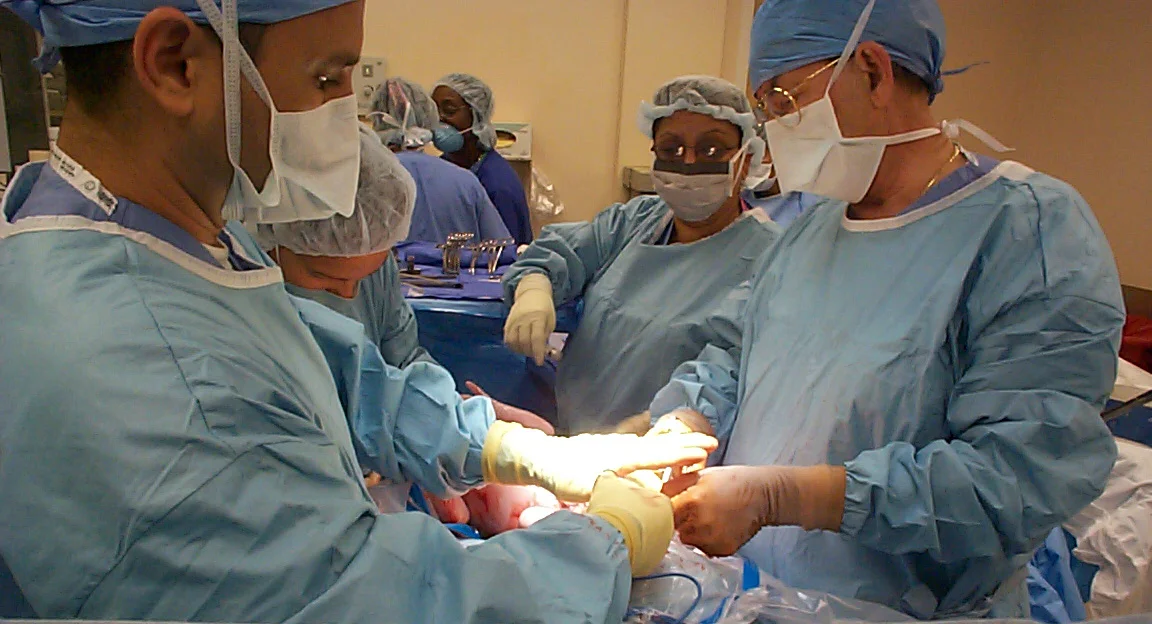
Get dependable support for less than $5 per day of your pregnancy. Think about that. Then think about the cost of a c-section and an extended hospital stay. Hiring an experienced doula who works well with your care providers WILL SAVE YOU MONEY.

Do you know how to avoid the primary c-section? Hire a doula.
The American College of Obstetricians and Gynecologists (ACOG) backs this claim. An excerpt from their website:
"Today, approximately 60% of all cesarean births are primary cesareans. Although cesarean birth can be life-saving for the baby and/or the mother, the rapid increase in cesarean birth rates raises significant concern that cesarean delivery is overused without clear evidence of improved maternal or newborn outcomes."
Read ACOG's full article published March 2014: Safe Prevention of the Primary Cesarean Delivery, which discusses ways to decrease cesarean deliveries, including:
Allowing prolonged latent (early) phase labor.
Considering cervical dilation of 6 cm (instead of 4 cm) as the start of active phase labor.
Allowing more time for labor to progress in the active phase.
Allowing women to push for at least two hours if they have delivered before, three hours if it’s their first delivery, and even longer in some situations, for example, with an epidural.
Using techniques to assist with vaginal delivery, which is the preferred method when possible. This may include the use of forceps, for example.
Encouraging patients to avoid excessive weight gain during pregnancy.
One of the main points is to use continuous labor and delivery support:
"Published data indicate that one of the most effective tools to improve labor and delivery outcomes is the continuous presence of support personnel, such as a doula. A Cochrane meta-analysis of 12 trials and more than 15,000 women demonstrated that the presence of continuous one-on-one support during labor and delivery was associated with improved patient satisfaction and a statistically significant reduction in the rate of cesarean delivery (111). Given that there are no associated measurable harms, this resource is probably underutilized."
“Approximately 60% of all cesarean births are primary cesareans.”
At the hospital, laboring families aren't truly supported during childbirth unless they have a doula present. Care providers are quite busy and frequently enter and exit the room leaving you unattended while they are busy with other patients. Our birth doulas stay by your side and provide support when you need it most!
Still wonder if doula support is necessary? Research your hospital's c-section rate - many metro hospitals are WELL ABOVE the national average of 32.2%. Afterwards, watch The Business of Being Born, a documentary "eye-opener" about birth in America.
Simply put, our team helps you obtain your true childbirth options so you can have a great labor and birth experience.
For less money than you'd spend on a latte a day, you can hire an experienced labor doula.
Get dependable support for less than $5 per day of your pregnancy. Think about that. Then think about the cost of a c-section and an extended hospital stay. Hiring an experienced doula who works well with your care providers WILL SAVE YOU MONEY.
Many of our clients use their HSA/FSA debit cards to pay for childbirth services such as classes and doula support. Our agency includes our NPI number and taxonomy code on our order confirmations so you may attempt reimbursement from your insurance company or HSA/FSA accounts.
You should also note that we offer eGiftCards. If you receive a gift card after to you after you've paid, you'll be refunded the amount to the credit card used to reserve services through our website.
“For less money than you’d spend on a latte a day, you can hire help from an experienced labor doula.”
You'll remember your birthing experience forever. I wish you and your family a healthy and happy birthday.
Be well,
Cynthya
Click to visit http://www.lamaze.org/p/cm/ld/fid=160
Reference: Safe Prevention of the Primary Cesarean Delivery http://www.acog.org/Resources-And-Publications/Obstetric-Care-Consensus-Series/Safe-Prevention-of-the-Primary-Cesarean-Delivery

